How do I lose 100 pounds safely?
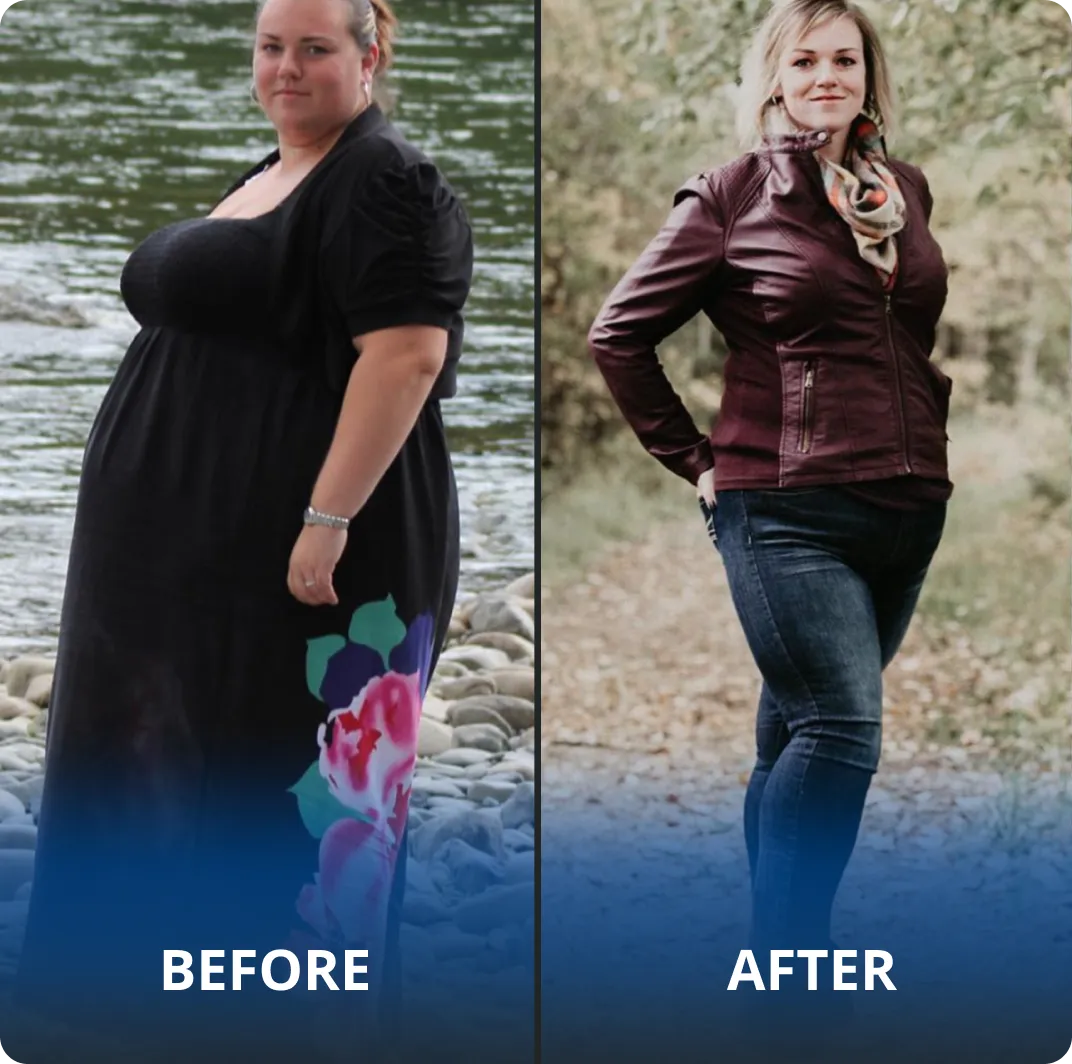
Losing 100 pounds is a long-term goal rather than a short diet. Your appropriate rate of weight loss depends on your starting point, health, nutrition and individual circumstances. GFIT builds a personalized calorie, nutrition, strength-training and behaviour strategy and adjusts it throughout the journey. Medical concerns should be managed with your physician or appropriate healthcare provider.
How long does it take to lose 50 or 100 pounds?
There is no responsible universal timeline. Weight loss is rarely linear, and the appropriate rate varies between individuals. Larger goals typically require multiple phases rather than one continuous aggressive calorie deficit. GFIT focuses on steady progress, muscle preservation and a strategy you can sustain rather than promising a deadline.
How do I preserve muscle while losing a significant amount of weight?
Progressive resistance training, adequate protein and an appropriately managed calorie deficit are important parts of preserving lean mass during weight loss. Your GFIT coach programs strength training while Registered Dietitians help individualize your nutrition and protein strategy.
Why does weight loss slow down after I've already lost a lot?
As body weight decreases, energy requirements can change and the calorie deficit that produced earlier progress may become smaller. Activity, adherence, hunger, recovery and other factors can change too. Rather than assuming you've "failed," your team reviews the trend and determines whether nutrition, movement, training or another part of the plan needs adjusting.
How do I avoid regaining weight after a major weight loss?
There is no way to guarantee that weight will never return, but maintenance can be actively planned. GFIT transitions clients from active weight loss into a dedicated maintenance phase where nutrition, training, monitoring and behaviour strategies are adjusted around maintaining the new weight rather than continuing to diet indefinitely.
Can GFIT help if I've lost and regained weight several times?
Yes. Repeated cycles of dieting and regain are common among people seeking significant weight loss. Rather than simply prescribing another aggressive diet, GFIT looks at what made previous approaches difficult to sustain and builds nutrition, training, behaviour and maintenance strategies around the longer-term problem.
Can I do this program while taking Ozempic, Wegovy or Mounjaro?
Yes, when the medication is prescribed and managed by your healthcare provider. GFIT does not prescribe or adjust GLP-1 medications. Your coaching focuses on nutrition, protein, strength training, muscle preservation, behaviour change and building habits that support your overall weight-management plan.
Can GFIT support me before or after bariatric surgery?
GFIT can provide complementary fitness, nutrition, lifestyle and behaviour coaching, but your bariatric medical team remains responsible for surgical care, clinical nutrition requirements and medical follow-up. Any GFIT plan should align with the instructions provided by your bariatric healthcare team.
Will I have loose skin after losing a lot of weight?
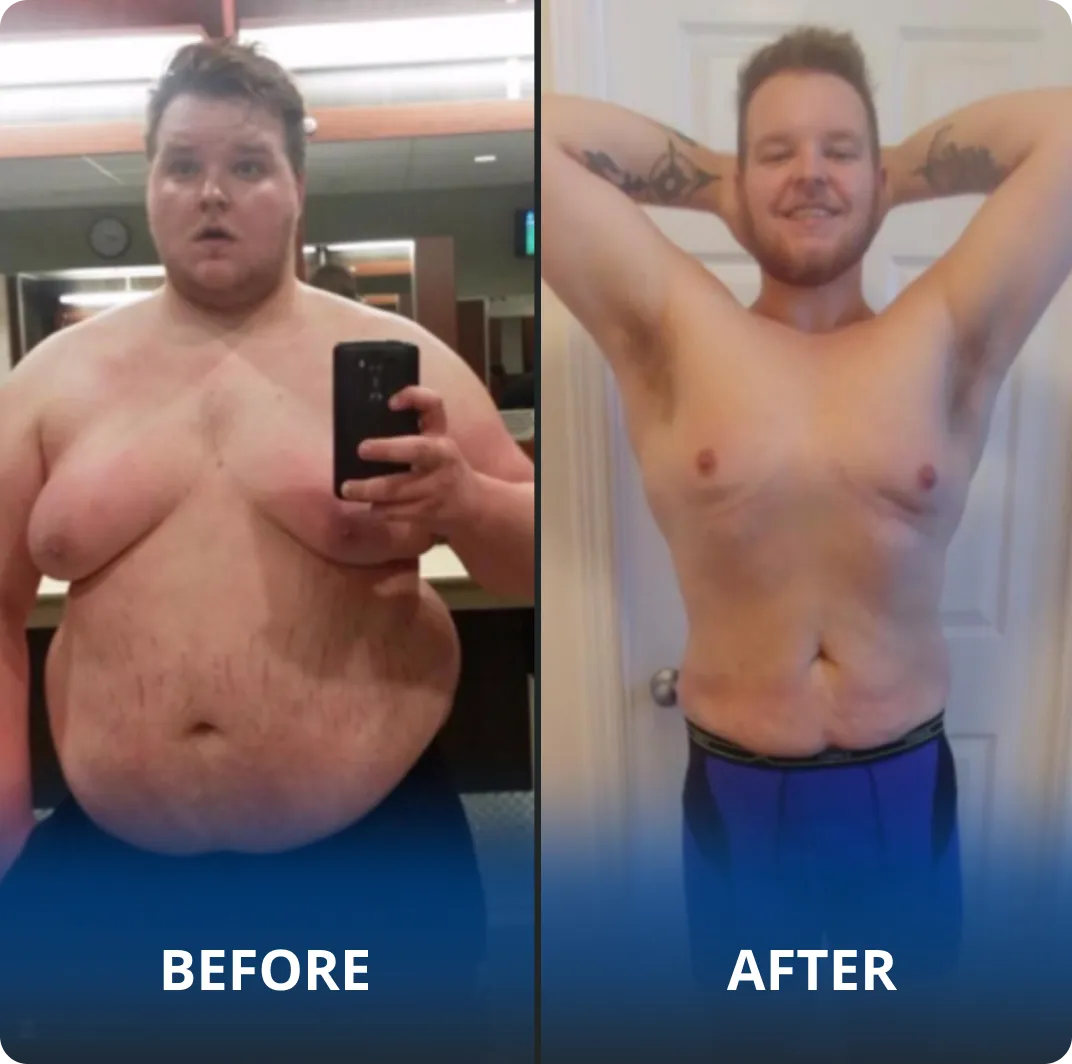
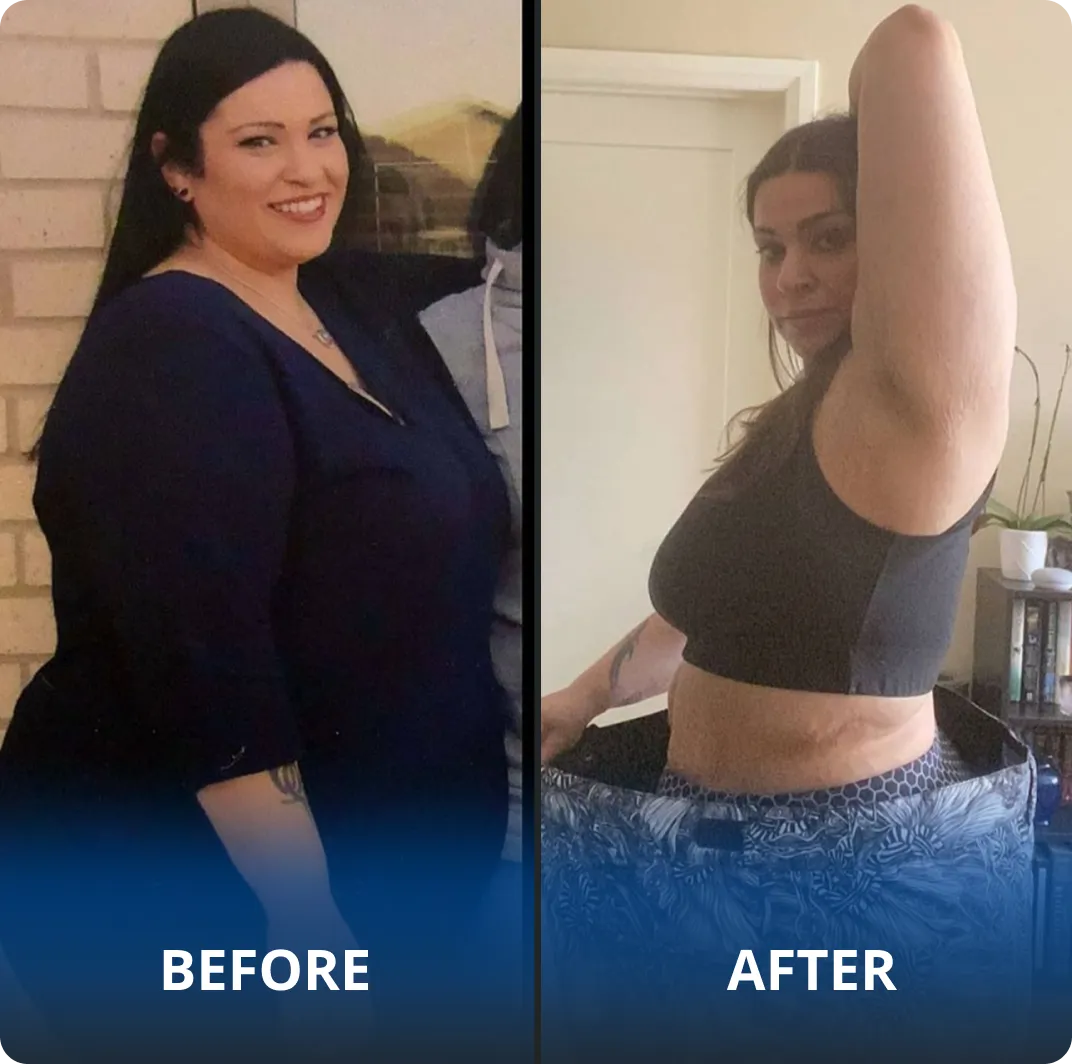
Loose skin can occur after significant weight loss, but the amount varies considerably based on factors such as total weight lost, age, genetics, skin elasticity and how long the higher weight was carried. Strength training can help build muscle underneath the skin and improve body composition, but exercise cannot guarantee that loose skin will be prevented or removed.
Is major weight-loss coaching covered by insurance in Manitoba?
The fitness-coaching component itself may not be reimbursed as standalone personal training, but eligible 1:1 sessions with GFIT's Registered Dietitians, Registered Social Workers, Occupational Therapists, Psychologists, Naturopathic Doctors and Clinical Counsellors may qualify under extended health benefits. GFIT also works with NIHB, VAC and CAF. We'll review your specific coverage during your free discovery call.